
What a Technician Sees This Time of Year
Late October and November calls tend to follow a pattern: a door that worked fine all summer suddenly groans, jerks, or refuses to open on the first genuinely cold morning. Most of the time it's not one big failure, it's several small things that got ignored since spring — a dried-out bottom seal, rollers that haven't seen lubricant since last winter, a spring that was already marginal and finally gives out once the steel contracts in the cold. None of it is dramatic until it is, usually at 6 a.m. when someone needs to leave for work.
Why Winter Is Harder on Garage Doors Here
Westchester County winters put a specific kind of stress on a garage door system. Repeated freeze-thaw cycles make metal parts contract and expand, which tightens tolerances on springs, hinges, and track alignment. Road salt gets tracked in on car tires and splashed onto the lower panels and tracks, where it accelerates rust on springs, cables, and the bottom bracket. Add in the humid summers that precede winter here, and you often get a door that's already dealing with some surface corrosion before the cold even sets in. On older homes around Pleasantville, Chappaqua, and Briarcliff Manor, original doors and openers that are decades old are especially exposed to all of this, since they were often installed before modern weatherproofing and safety features were standard.
The Pre-Winter Checklist
1. Replace or Inspect the Bottom Seal
The rubber astragal along the bottom of the door is your main defense against snowmelt, slush, and wind-driven rain getting into the garage. By October it's worth checking for cracking, flattening, or gaps where it no longer makes contact with the concrete. A seal that's compressed or torn will let in cold air and moisture, and in freezing temperatures that moisture can turn into ice that locks the door to the slab overnight.
2. Lubricate the Moving Parts — With the Right Product
Hinges, rollers, and the torsion spring itself should get a light coat of silicone-based or lithium-based garage door lubricant before temperatures drop. Avoid WD-40 as a long-term lubricant; it's a solvent and degreaser more than a lubricant, and it can actually wash away the grease that's already there, leaving parts more exposed to rust. A few minutes with the right spray on hinges, roller stems, and the spring reduces the grinding and popping noises that tend to show up once metal contracts in the cold.
3. Check Spring Tension and Balance
Cold makes steel more brittle, and a spring that was already fatigued from years of cycling is more likely to snap on a frigid morning than in July. A simple balance test tells you a lot: disconnect the opener, lift the door manually halfway, and see if it holds position on its own. If it drifts up or falls down, the spring tension is off and adjustment is in order. This isn't a DIY adjustment job — torsion springs are under heavy load and dangerous to handle without the right tools, but knowing there's a problem before it fails completely saves you from an emergency call during a storm.
4. Inspect Cables and Hardware for Rust
Salt spray from winter roads finds its way onto the lower sections of track, cable, and the bottom brackets. Look for surface rust, especially on cables near the bottom roller, and listen for new squeaking or binding when the door moves. Rust-weakened cable is a safety issue, not just a noise issue.
5. Test the Auto-Reverse Safety Sensors
The photo-eye sensors near the bottom of the tracks can get knocked out of alignment or fogged with condensation during humid stretches, and misalignment tends to get worse once ice and frost settle on the lenses. Place an object in the door's path and confirm it reverses properly. If the lights on the sensors are flickering or one is clearly out of alignment with the other, get this fixed before winter rather than during it.
6. Check the Opener's Battery Backup
Nor'easters and winter storms around here regularly knock out power for hours at a time. If your opener has a battery backup, test it now so you're not stuck manually hauling the door open in the middle of a storm. If it doesn't have one, it's worth asking about adding it when you're already having maintenance done.
7. Look at Insulation if the Garage Is Attached
Older uninsulated doors, common in this area's original housing stock, let a lot of cold air into an attached garage, which can affect pipes, HVAC equipment, or a laundry room on the other side of that wall. Weatherstripping around the frame and a insulated door panel upgrade are both reasonable fixes depending on budget, and either is better done before the cold settles in than after.
When to Call Pleasantville Garage Door
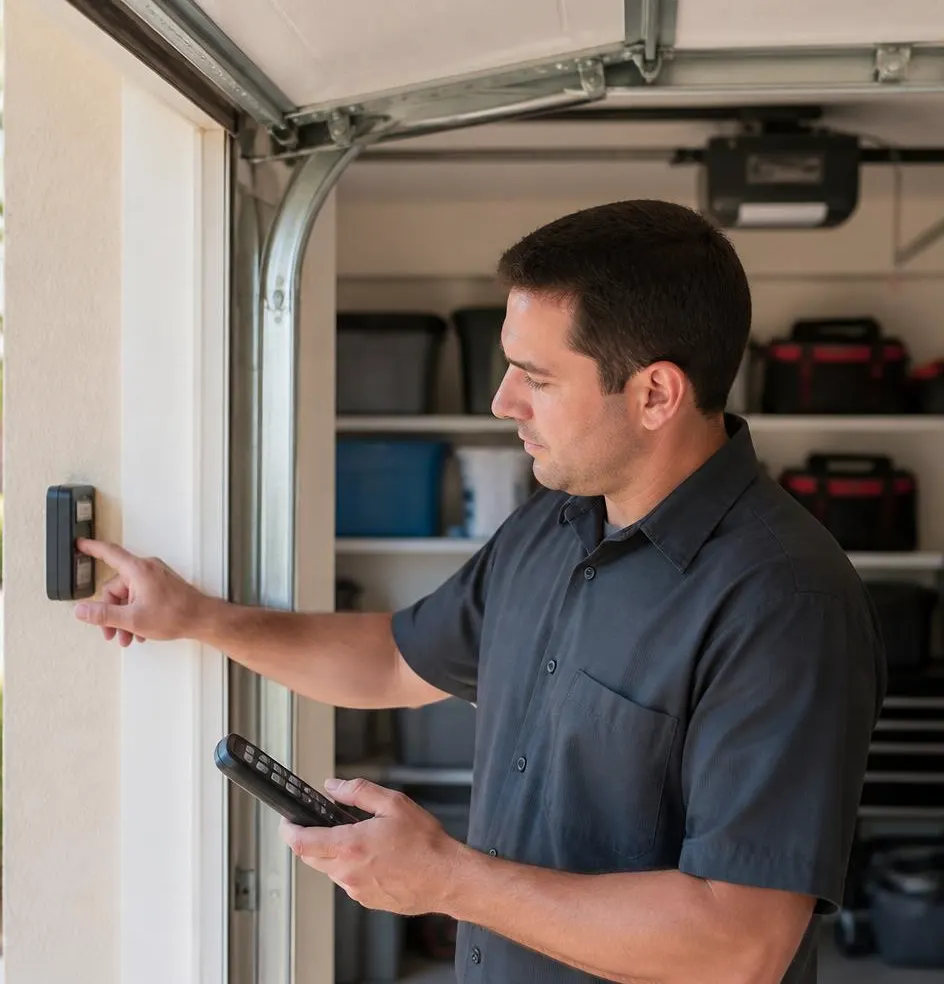
If the balance test fails, if you hear new grinding or popping from the springs, or if the door is visibly off-track or slow to respond, that's the point to call in a technician rather than keep testing it yourself. Our Garage Door Maintenance service covers the full pre-winter tune-up — lubrication, hardware inspection, balance and safety sensor checks — in one visit, and if a spring is already showing fatigue, our Spring Replacement service gets it swapped out before it fails on a subzero morning rather than after.
If you're in Pleasantville, Chappaqua, Mount Kisco, Briarcliff Manor, Ossining, Hawthorne, Thornwood, or Armonk and want your garage door checked before the first hard freeze, call Pleasantville Garage Door today to schedule a winter maintenance visit.